

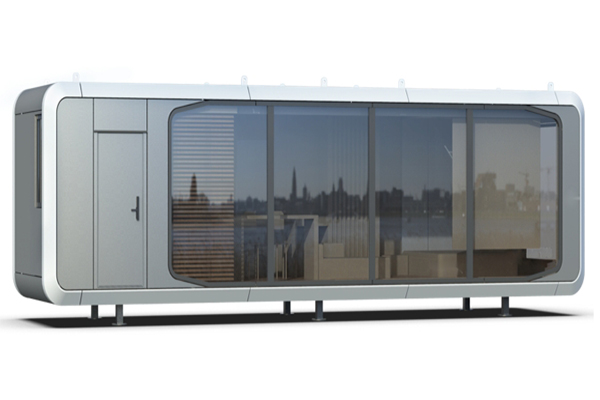

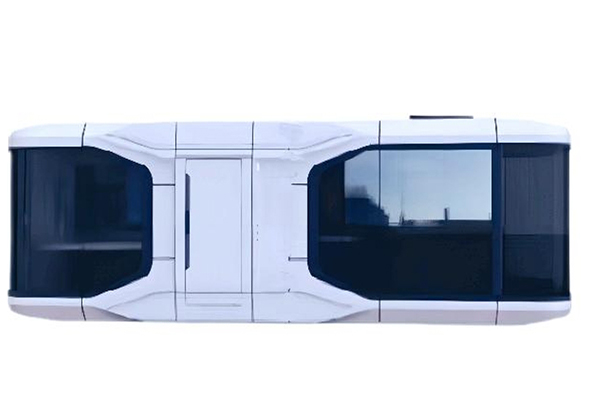
Ces designs sont superbes et contribuent à protéger l’environnement.
Les jardins et les allées favorisent les liens et une vie plus saine.
La technologie intelligente permet d’économiser de l’énergie et de réduire la pollution.
FAQ
Pourquoi les maisons capsules spatiales sont-elles bonnes pour l’environnement ?
Ces maisons utilisent des matériaux recyclés et des technologies intelligentes. Elles économisent l'énergie et produisent moins de déchets, contribuant ainsi à la préservation de la planète. 🌱
Les maisons capsules spatiales sont-elles agréables à vivre ?
Oui ! Les designers exploitent au maximum les petits espaces. Ils y ajoutent des rangements cachés et des meubles polyvalents. Ces maisons sont à la fois confortables et fonctionnelles.
These examples show how space ideas shape modern designs. Space Capsule Houses use these ideas to create smart, small homes. It’s like bringing space technology into your house!
Minimalism and the Rise of Compact Living
Minimalism is becoming more popular. It’s not just about less stuff; it’s about smarter living. A 2021 survey said 60% of millennials like smaller homes. Why? They’re easier to clean and maintain. Smaller homes also save energy—45% less than big homes, says the U.S. Department of Energy. That’s good for your wallet and the planet.
Cities are getting crowded, so small living spaces are needed. Space Capsule Houses are perfect for this. They make small areas feel bigger by using every inch wisely.
Urbanization and the Need for Innovative Housing Solutions
Cities are growing fast, and housing demand is rising. Did you know that in 20 years, 5 billion people will live in cities? That’s 60% of the world’s population! Most of this growth will happen in developing countries with limited resources.
“Sustainable urban housing is key to solving these problems. It provides eco-friendly, affordable, and inclusive homes.”
“Most urban growth will happen in developing cities, stressing ecosystems and local governments.”
Space Capsule Houses are a smart solution. They’re small, eco-friendly, and fit city life. They could change how we live in the future.
Innovative Materials and Technologies in Space Capsule Houses
Lightweight and Eco-Friendly Building Materials
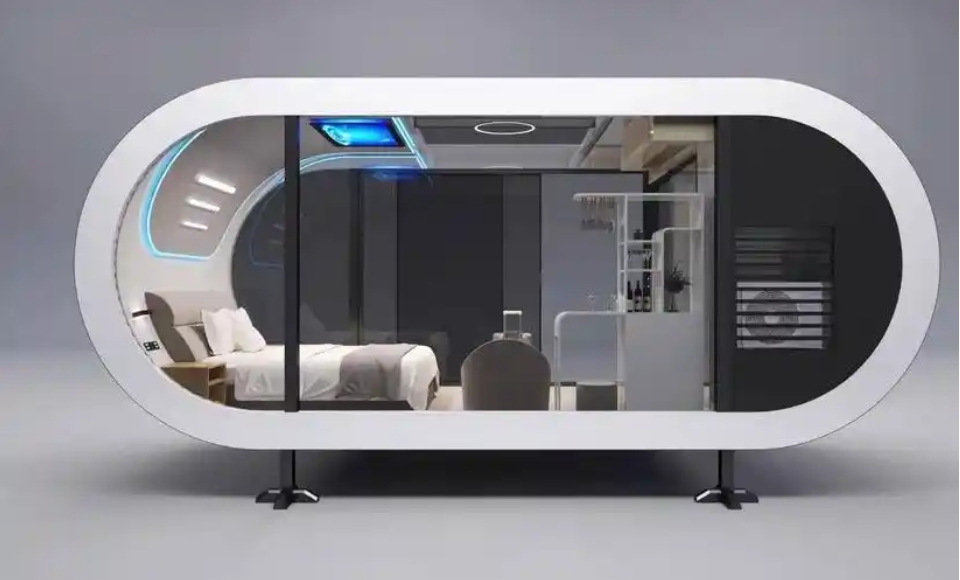
Space Capsule Houses use light but strong materials. Recycled steel is one example. It needs 60% less energy to make than new steel. It also cuts carbon emissions by half while staying tough. Isn’t that cool?
Cement is bad for the environment. Making cement causes 8% of the world’s CO₂ emissions. Bamboo, cross-laminated timber (CLT), and hempcrete are better choices. These materials lower emissions and store carbon. Hempcrete and cork insulation also help homes stay warm in winter and cool in summer. This saves energy and money.
Smart Home Integration for Enhanced Functionality
Smart homes make life easier. They adjust lights, temperature, and security using your phone. It’s like having a helper for your house!
Smart technology also saves energy. For example, smart thermostats learn your habits. They change heating or cooling to use less power. This lowers electricity bills over time. It’s good for you and the planet.
Modular and Prefabricated Construction Methods
Modular construction makes building faster and easier. Most parts are built in factories, up to 90%. This cuts building time by 50%. Modular homes can be ready in 6-8 weeks.
For example, the McLaren Greater Lansing Hospital project used only 14 workers. They finished in 220 hours, saving 30% on labor. Prefabrication also improves quality, so fewer fixes are needed later. It’s a smart way to save time, money, and resources.
Iconic Examples of Space Capsule House Designs
Architects Who Changed Housing with Bold Ideas
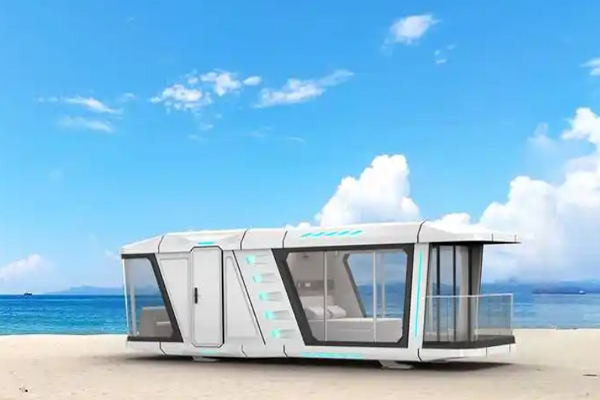
Space Capsule Houses wouldn’t exist without brave architects. One great example is Kisho Kurokawa’s Nakagin Capsule Tower. Built in 1972, it was far ahead of its time. It introduced small living spaces that could be swapped or updated. This idea came from the Metabolism movement, which focused on flexible and eco-friendly designs. Here’s a quick overview:
This wasn’t just a building; it was a bold idea for future homes.
Unique Features of Space Capsule Houses
What makes these homes special? It’s all in the design. They often use modular parts, making them easy to build and change. Lightweight materials like recycled steel and bamboo are common. These materials are strong and good for the planet. Inside, smart technology makes life easier. You can control lights, temperature, and security with your phone. Amazing, right?
Another cool feature is how space is used. Every part of the home has a purpose. Furniture often has hidden storage, and walls might hide secret compartments. It’s like living in a high-tech puzzle!
Combining Beauty and Usefulness in Design
Making homes both pretty and useful is tough, but some do it well. For example, Milan’s Bosco Verticale has over 900 trees. These trees clean the air and look amazing. In Singapore, the Sky Habitat has sky gardens connecting towers. These gardens are not just pretty; they save energy and create shared spaces.
Here are more examples of designs that mix beauty and function:
The Biodome, Montreal: Changed from a velodrome into a nature exhibit with climate controls.
The Twist Museum, Norway: Works as both a bridge and a museum in one stunning design.
Tianjin Binhai Library, China: Uses tiered bookshelves to save space and look futuristic.
These examples prove Space Capsule Houses can be useful and beautiful. It’s all about creative thinking!
Challenges and Future Possibilities of Space Capsule Houses
Solving Design and Material Problems
Space Capsule Houses look cool and futuristic. But building them isn’t easy. One big problem is making them strong but lightweight. Materials like bamboo and recycled steel are helpful. However, they must also survive bad weather. Engineers are always testing new materials to find the best ones.
Another challenge is using space wisely while keeping it comfy. These homes are small, so every bit of space matters. Designers use ideas like foldable furniture and hidden storage. They also create rooms that can do more than one thing. It’s like putting together a tricky puzzle, but the results are amazing!
Changing How People Feel About These Homes
Not everyone likes the idea of living in a Space Capsule House. Some think they’re too tiny or too modern. Others wonder if these homes can meet their needs. It takes time to change people’s minds, but teaching them helps.
When people learn how these homes save energy and reduce waste, they might like them more. They also fit well in crowded cities. As more of these homes are built, people will see how useful they are. Showing real examples can help people imagine living in one.
How Space Capsule Houses Could Change Cities
Space Capsule Houses could make cities better. Imagine neighborhoods full of these eco-friendly homes. They could help fix housing problems and lower pollution in cities.
These homes also help with smart city planning. Their modular designs let them stack or fit into small spaces. This makes the most of crowded areas. It’s exciting to think about how they could shape future cities. Maybe one day, we’ll all live in a Space Capsule House!
Space Capsule Houses are not just homes—they show the future. They mix clever designs, green materials, and smart tech to make spaces useful and pretty. These homes can change cities by supporting eco-living, community, and better health. Let’s welcome this new way of living!
Green capsule towers bring nature and people together in cities.
These designs look great and help protect the environment.
Gardens and walkways encourage connections and healthier living.
Smart tech saves energy and cuts down on pollution.
FAQ
Why are Space Capsule Houses good for the environment?
These homes use recycled materials and smart technology. They save energy and create less waste. This helps the planet stay healthy. 🌱
Are Space Capsule Houses nice to live in?
Yes! Designers make the most of small spaces. They add hidden storage and furniture that does more than one thing. These homes are cozy and useful.
Can I make a Space Capsule House my own?
Of course! Many designs let you pick what you like. You can choose layouts, materials, and features. It’s like creating your perfect home step by step!